
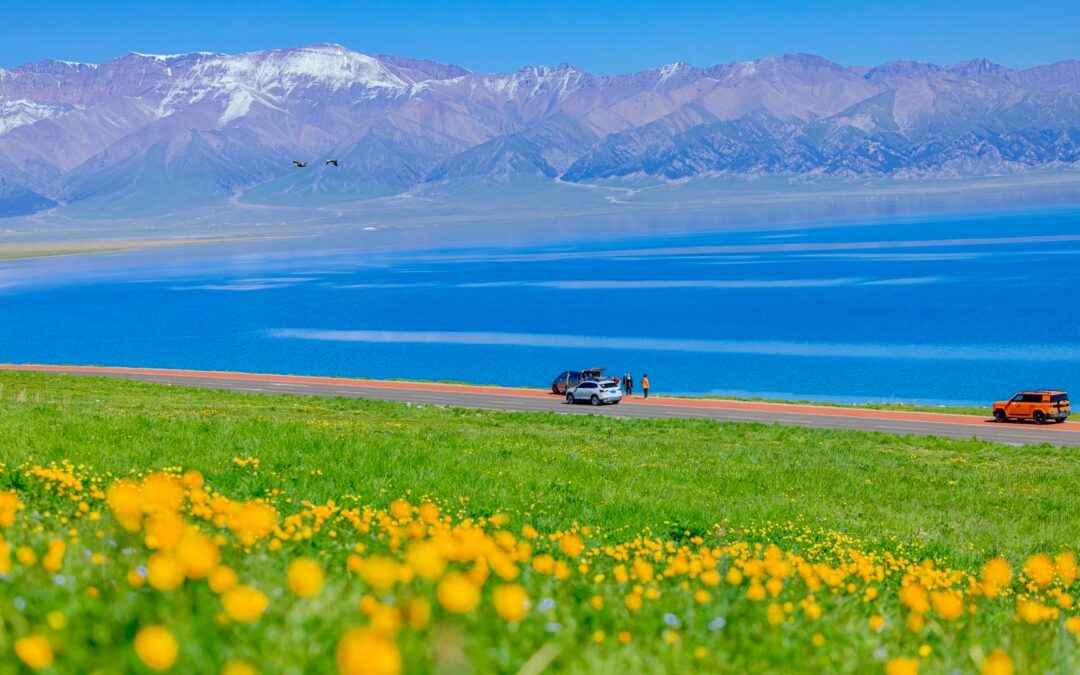
Many people planning their first trip to Xinjiang look at a map and think a week should be enough. Then they start working out the route and realise just how big it is.
How big is Xinjiang?
Xinjiang covers about 1.66 million square kilometres. That is roughly a sixth of China’s land area, which makes it the country’s largest province-level region. To put that in perspective, it is about the size of:
- more than 2,200 Singapores
- five Malaysias
- three Frances
It borders eight countries: Mongolia, Russia, Kazakhstan, Kyrgyzstan, Tajikistan, Afghanistan, Pakistan and India. The geographic centre of the Asian continent is just outside Urumqi.
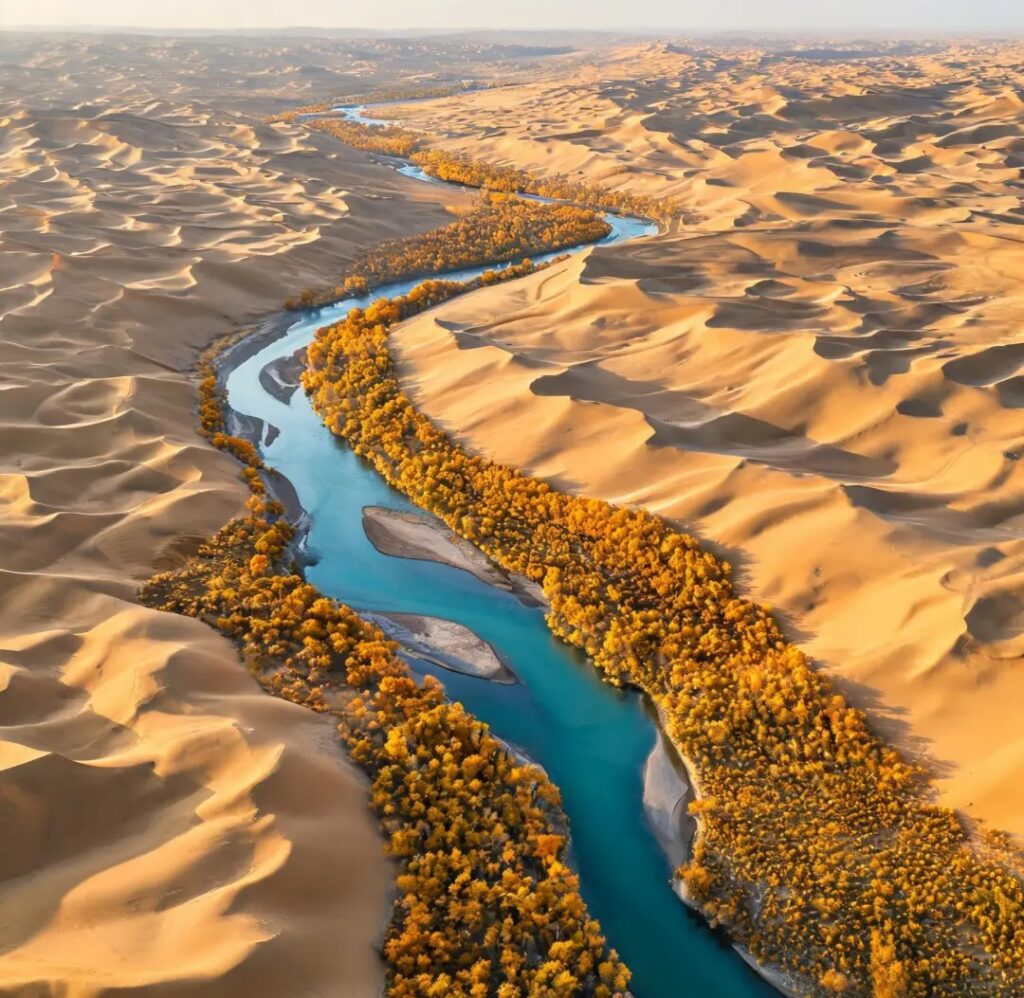
The Tianshan mountains run across the middle, dividing the north from the south. In the south lies the Taklamakan, China’s largest desert. Less than a tenth of the land is suitable for living on, so towns sit in oases at the foot of the mountains and the edge of the desert, often a long way apart.
One more surprise: Xinjiang runs on Beijing time even though it lies far to the west, so in summer the sun often doesn’t set until around 10pm.
Eight hours on the road is a normal day
Driving from Urumqi to Kashgar is about 1,470 km, or 17 to 18 hours without stopping. That’s roughly the same as driving from Singapore to Penang and back.
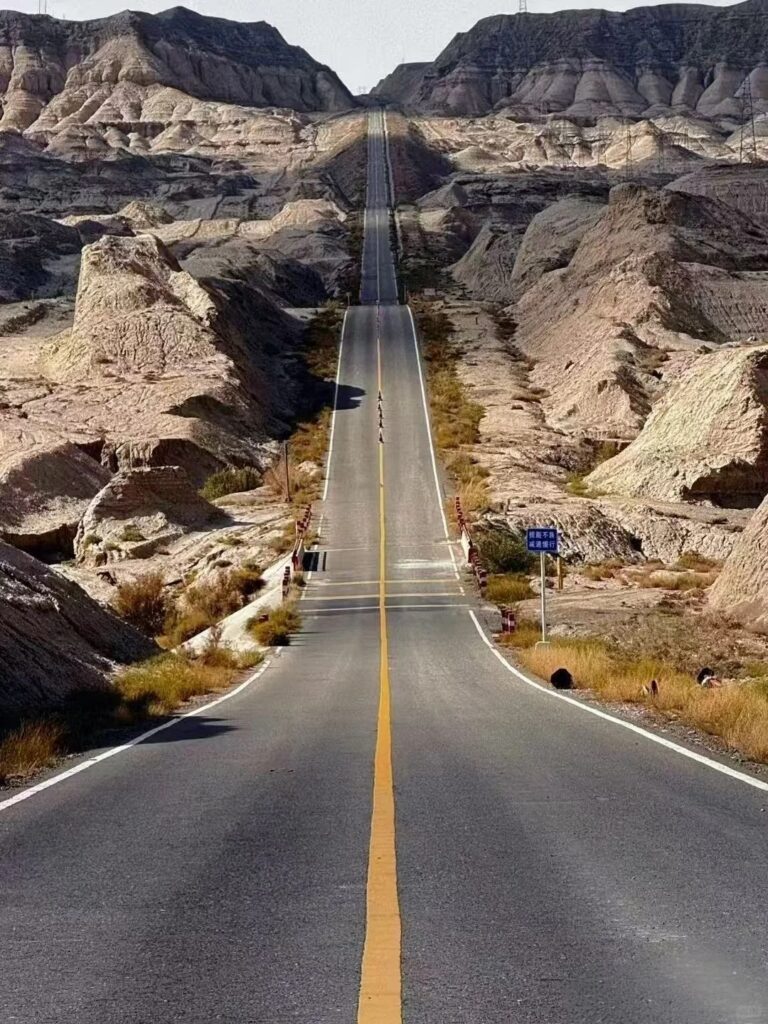
Even a loop of southern Xinjiang means five to eight hours on the coach on many days. On our own Southern Xinjiang tour, Hotan to Kashgar is about 500 km and takes around eight hours, and Kashgar to Aksu is about 520 km and seven hours. Much of the way is gobi and desert, and the next rest stop, and the next toilet, can be a long way off.
So in Xinjiang, the question isn’t only where to go. It’s how you get from one place to the next.
What makes Xinjiang special
The north: lakes, grasslands and autumn colour
- Kanas Lake and Hemu village. In September the hillsides turn gold, and the log cabins of the Tuva people sit along the river valley. For many people, this is the Xinjiang they picture.
- Sayram Lake. Known as “the last tear of the Atlantic”, its water is an almost unreal blue against the snow peaks.
- Ili. Lavender fields in June and July, and the open grasslands of Nalati.
- Tianchi, the Heavenly Lake. Ringed by spruce forest, with Bogda Peak reflected in the water.


The south: old cities, high plateaus and desert
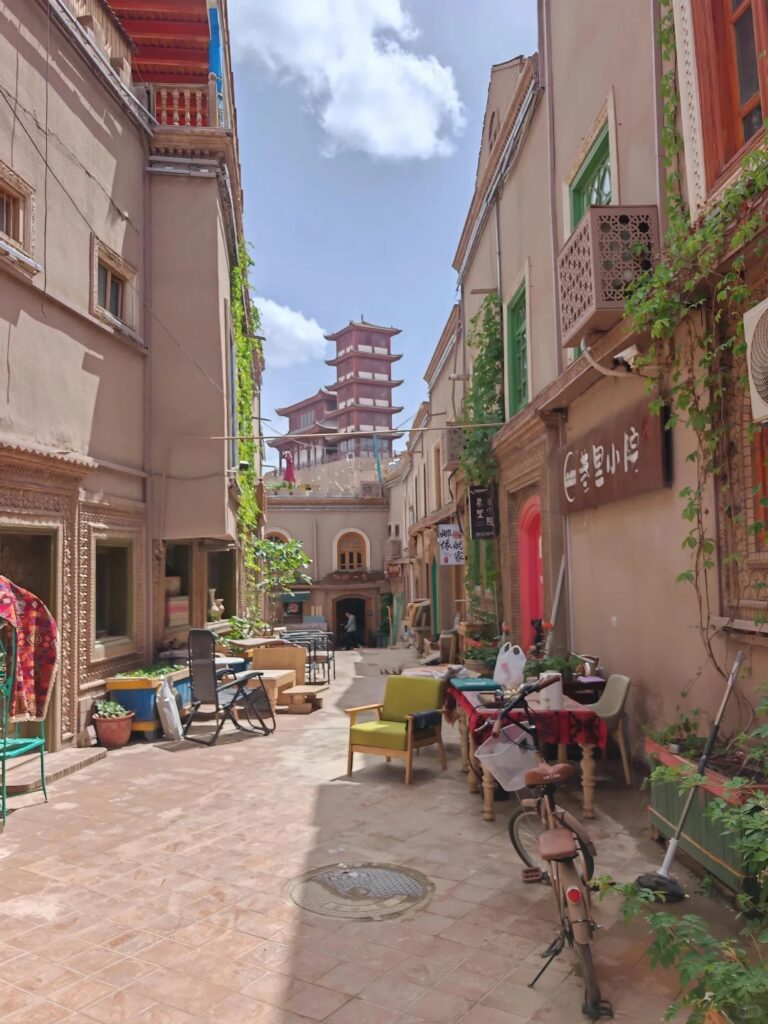
- Kashgar Old City. A Silk Road trading town for more than 2,000 years, full of craft workshops, naan ovens and busy bazaars.
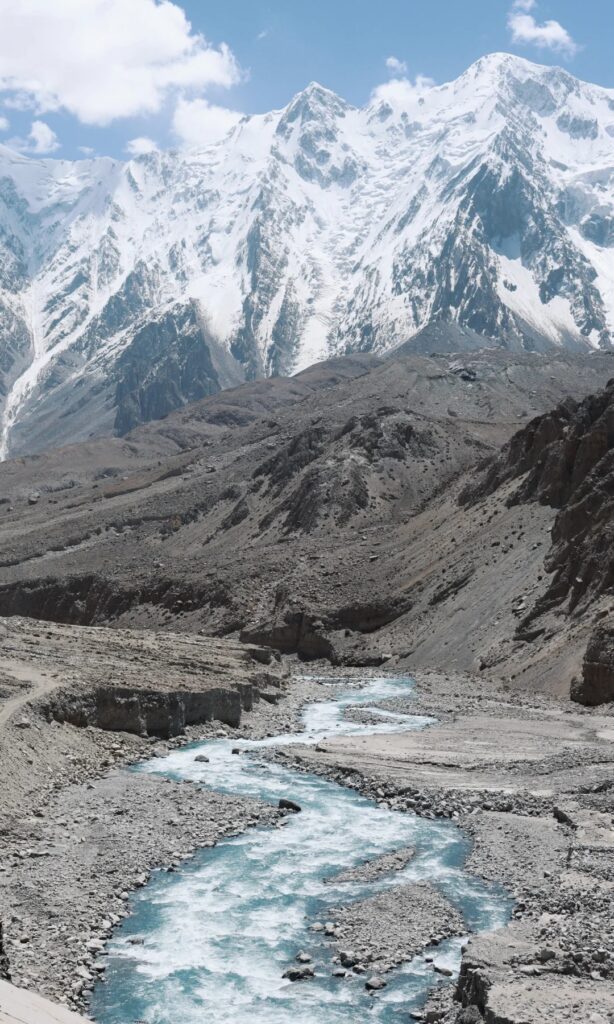
- The Pamir Plateau. The Karakoram Highway climbs to Karakul Lake at about 3,600 metres, with Muztagh Ata right in front of you. Tashkurgan, further on, is home to the Tajik people.
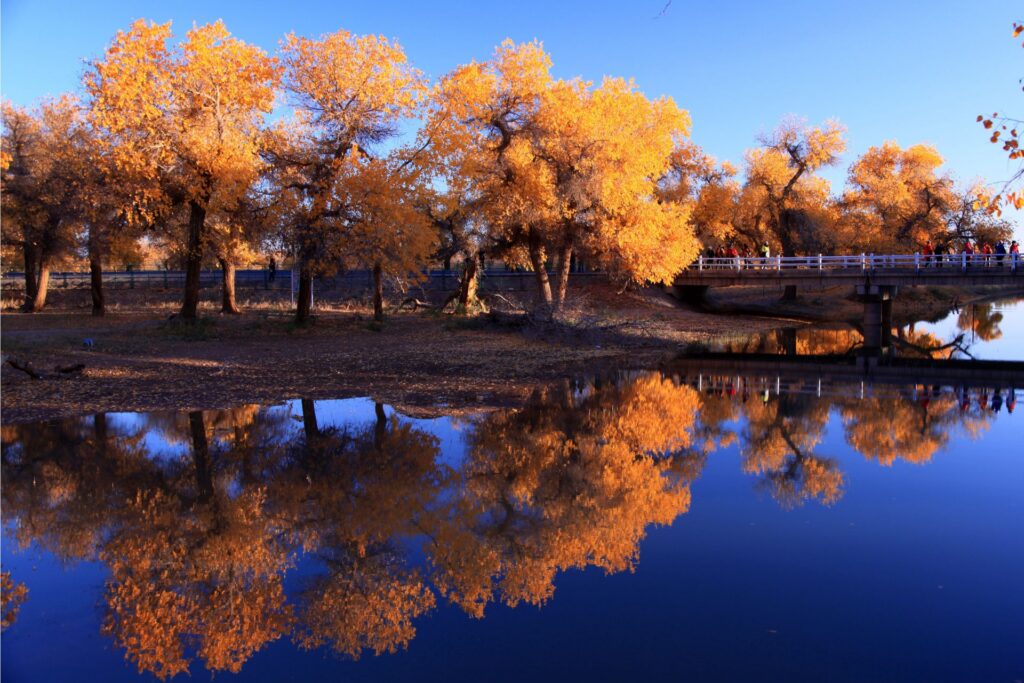
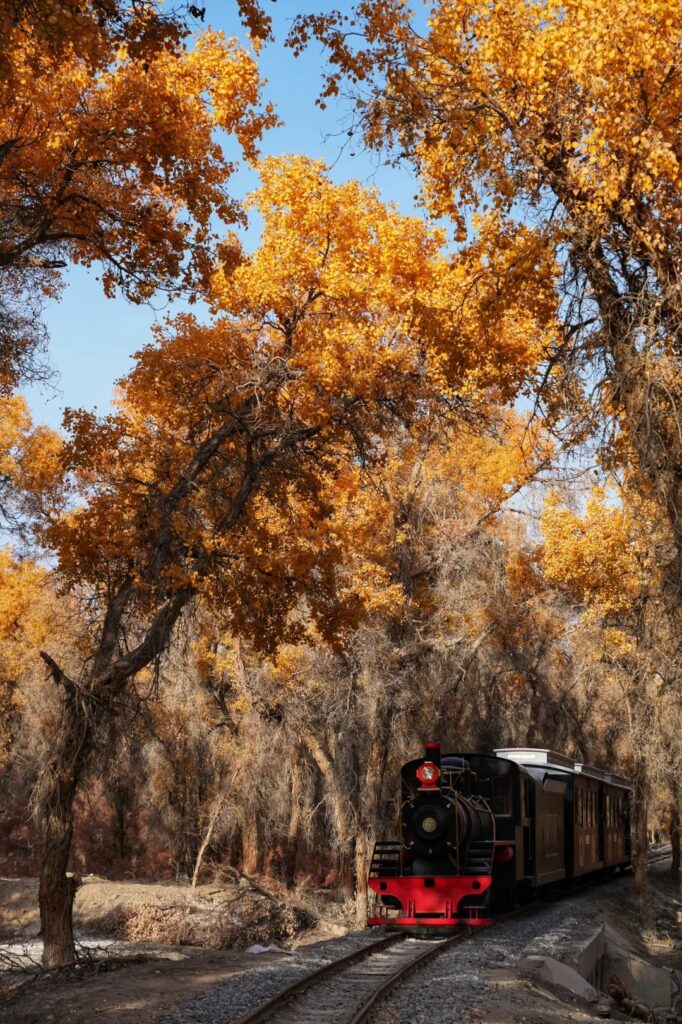
- Golden poplar forests. In October, the poplar forests at Luntai and Shaya turn bright gold. Locals say these trees live for a thousand years, stand for a thousand years after they die, and take another thousand to decay.
- The Desert Highway. A road straight across the Taklamakan, with dunes on both sides as far as you can see.
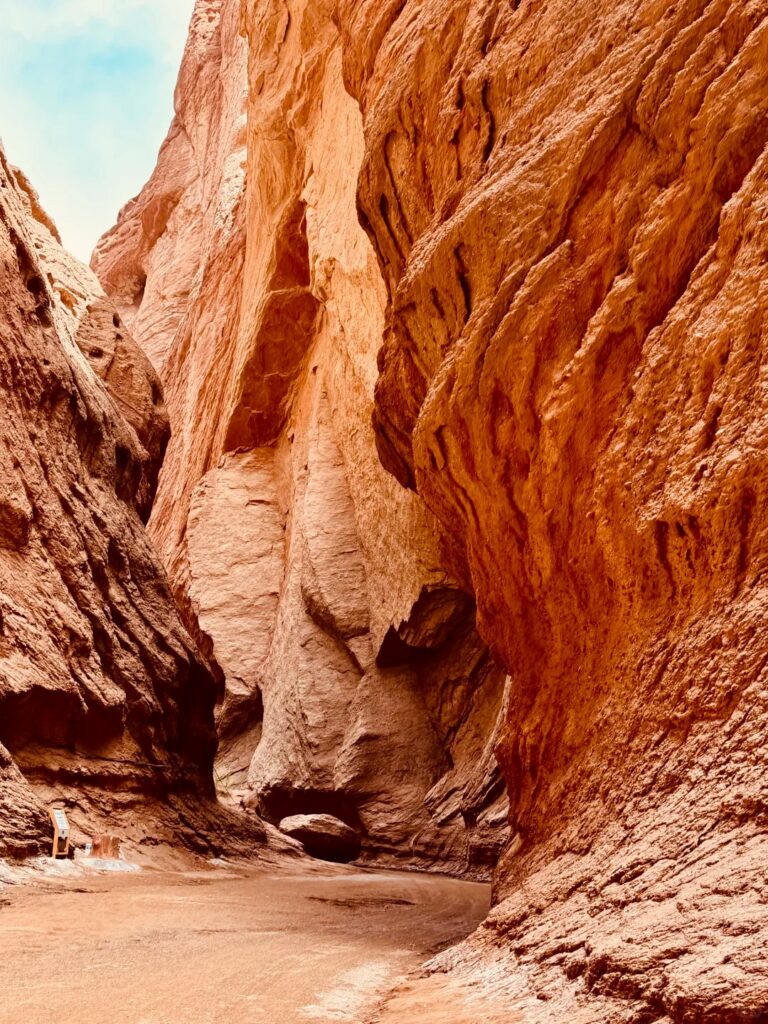
- Kuqa. The red cliffs of the Tianshan Grand Canyon, and the ruins of Subashi, a Buddhist temple city more than a thousand years old.
The east: Turpan
The Flaming Mountains, the ruined city of Jiaohe, and grapes and raisins that live up to their reputation.

Fruit and food
Long sunny days and cold nights make Xinjiang’s fruit famously sweet: Hami melons, Turpan grapes, Korla fragrant pears, Atush figs and Hotan pomegranates. Then there are lamb skewers, naan, polo rice and big plate chicken, all served in generous portions.
Many cultures
Xinjiang is home to many ethnic groups, including Uyghur, Kazakh, Hui, Kyrgyz, Tajik and Mongolian. Music, dress and food change from one region to the next, so every part of the trip feels different.

Why the train is the best way to see Xinjiang
Xinjiang is so big that if you want to see a lot of it without spending every day on a coach, a tourist train is the best way to go.

1. The long stretches happen overnight
The train covers the longest distances while you sleep. You wake up at the next stop with the whole day free for sightseeing. On the Golden Panda Express, 8 of the 16 nights are spent on board.
2. Every cabin has its own bathroom
On a coach, the next toilet can be hours away. On each of our Xinjiang trains, every cabin has a private bathroom.


3. No packing up every morning
On train nights, your luggage stays in your cabin. There are no daily check-outs and no carrying bags on and off a coach.
4. The view is part of the journey
The dining and observation cars have big windows, and the gobi, snow peaks and oases roll past. When you’re tired, go back to your cabin. When you’ve been sitting too long, take a walk through the train.

5. Easier for older travellers
You can get up and move around, eat proper meals in the dining car, and save your energy for the sights.
6. North and south in one trip
The trains link Urumqi, Altay, Ili, Kuqa and Kashgar, so in 17 to 19 days you can see both northern and southern Xinjiang.
To be honest: the train can’t go everywhere. Kanas and Hemu have no railway, so Altay to Hemu is about six hours by coach. The train takes the longest stretches, and the coach covers the last part.
Good to know before you go
- When to go. Northern Xinjiang is best from May to September, with autumn colour in September. The south is at its best in October for the golden poplars. Our Xinjiang train tours depart between May and September.
- Big temperature swings. Mornings and evenings are cold and middays can be hot, so dress in layers and bring a jacket. The sun is strong, so pack sun protection.
- Drink plenty of water. The air is very dry.
- Altitude. Karakul Lake on the Pamir Plateau is about 3,600 metres, and Tashkurgan is above 3,000 metres. On our Pamir routes, guests aged 70 and above need a recent medical report, and guests aged 75 and above must travel with a family member.
- The Duku Highway. It is currently open only to holders of mainland Chinese identity documents, so our tours do not use it.

Our 2027 Xinjiang train tours
- Chengdu Hao Panda Train: departs in May. We hold the Singapore charter rights.
- Golden Panda Express (Jinxiu Dongfang Hao): eight departures from May to September
- Tianfu Express (Jinxiu Tianfu Hao): May to July
- Baiyun Express: June and September
Not sure which train suits you? Call 6534 5228 or WhatsApp 8318 0934, and we’ll help you compare.
If your heart is set on China, leave the rest to us.